
The Ultimate Guide to Body Mass Index (BMI)
Body Mass Index (BMI) is the gold standard for assessing weight relative to height. In 2026, understanding this metric is the first step toward a healthier lifestyle.
Featured Snippet: What is a healthy BMI for my age?
For most adults, a healthy BMI is between 18.5 and 24.9. While BMI doesn't change by age for adults, its interpretation might vary for seniors. Use our BMI Calculator for a precise reading.
BMI Classification Table (WHO Standards)
| Weight Category | BMI Range | Health Risk |
|---|---|---|
| Underweight | < 18.5 | High |
| Normal Weight | 18.5 – 24.9 | Minimal |
| Overweight | 25.0 – 29.9 | Moderate |
| Obese (Class I) | 30.0 – 34.9 | High |
| Morbidly Obese | > 35.0 | Very High |
Beyond BMI: Other Key Metrics
To get a full picture of your health, consider these additional tools:
- Ideal Weight Calculator: Find your target weight range.
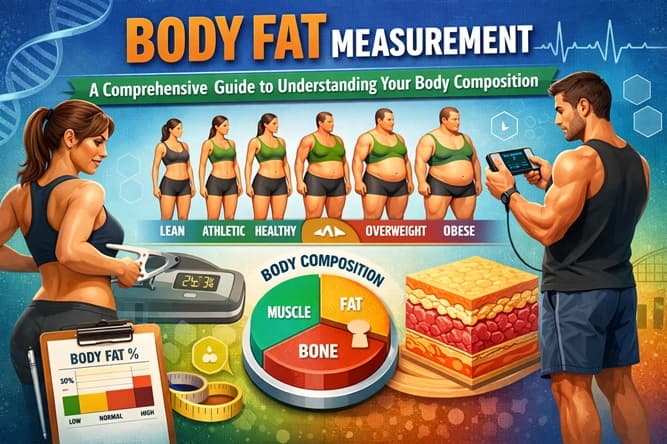
- Body Fat Percentage: Understand your body composition.
- Calorie Tracker: Manage your daily energy balance.
Limitations: When is BMI Misleading?
- Athletes: High muscle mass can lead to an "overweight" BMI despite low fat.
- Body Shape: BMI doesn't account for where fat is stored (e.g., waist vs. hips).
Conclusion
BMI is a powerful starting point. By combining it with Exercise and proper Nutrition, you can achieve lasting health. Check your History regularly to stay on track.